
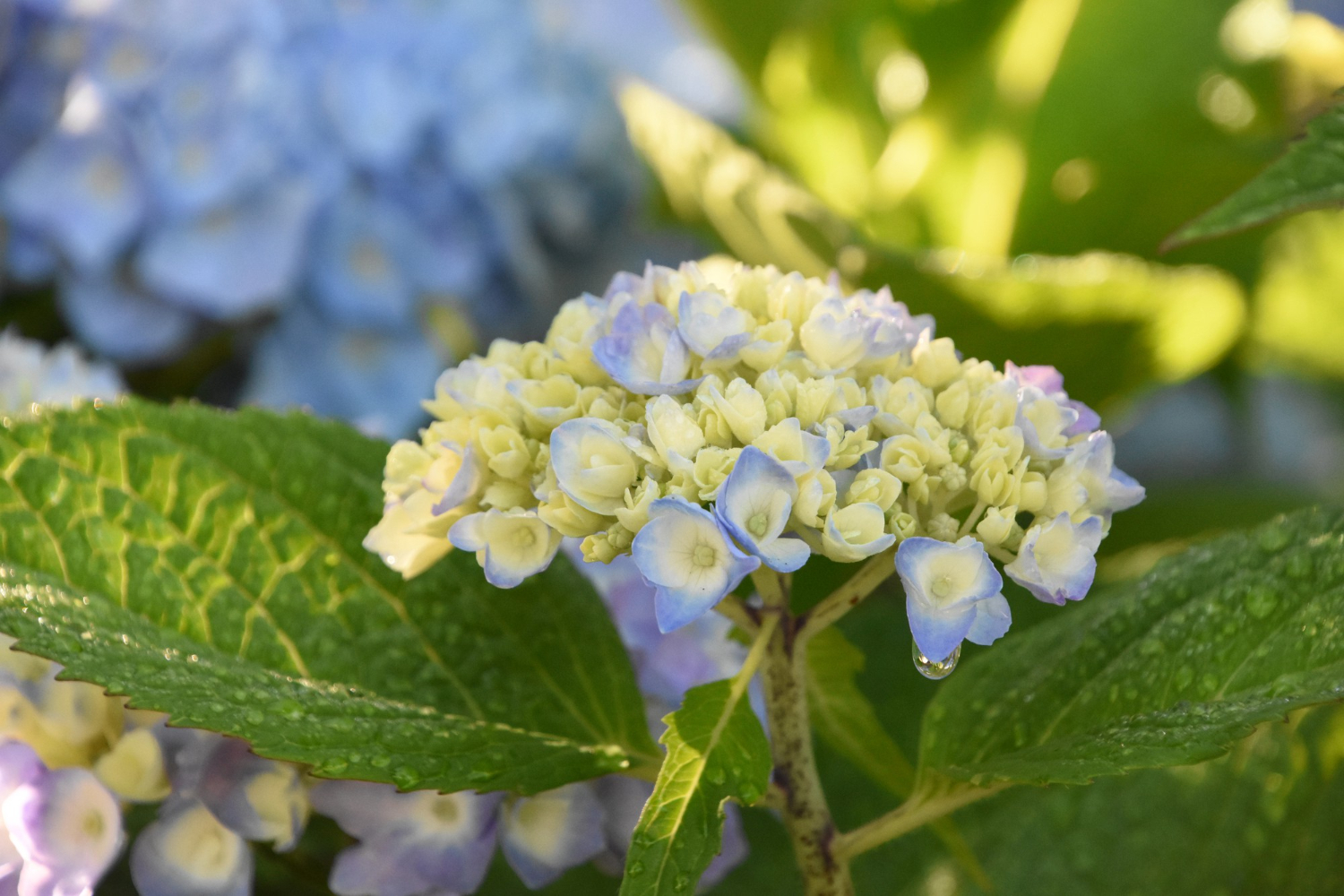
ฤดูหนาวเป็นฤดูเดือนที่ใครๆ ต่างรอคอย เพราะเป็นฤดูที่น่ารัก และเป็นฤดูแห่งความรักในหลายสาเหตุ เราชอบลมเย็นๆ อากาศสบายๆ แสงแดดที่แจ่มใส กลิ่นสะอาดๆ ไปจนถึงเหตุการณ์ และความรู้สึกช่วงท้ายปี ในแต่ละที่แต่ละประเทศย่อมมีกลิ่นและความรู้สึกของฤดูหนาวที่ต่างกันไป ในยุโรปอาจจะเป็นไม้สน เตาไฟ ถ้าเป็นบ้านเราก็อาจจะเป็น ต้นตีนเป็ด นี่แหละ ที่เป็นสัญญาณบอกว่าอยู่ในฤดูหนาวแล้วนะ ต้นตีนเป็ด หรือ พญาสัตบรรณ หรือ สัตตบรรณ (ชื่อวิทยาศาสตร์: Alstonia scholaris) […]
Travel
เรื่องน่ารู้ของเก้าอี้ แคมปิ้ง
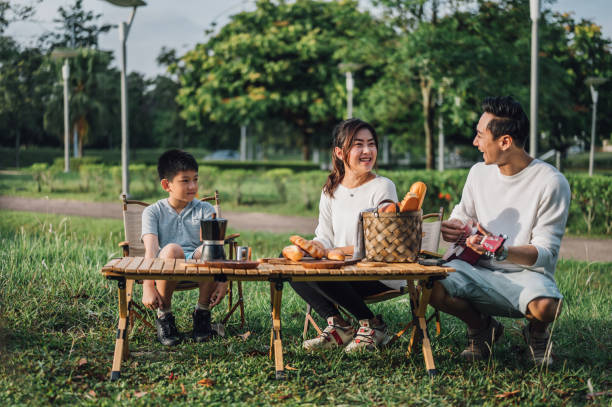
ต้องบอกเลยว่าการเลือกเก้าอี้แคมปิ้งนั้น ก็คือสิ่งที่สำคัญมากที่สุดสำหรับคนที่ต้องการพักผ่อนอิริยาบถเมื่อเรานั้นเดินทางมาเป็นเวลานานสำหรับการตั้งแคมป์ อาจจะกล่าวได้ว่าการที่เราเลือกเก้าอี้แคมปิ้งดีๆ จะช่วยให้เราใช้เวลาในการตั้งแคมป์ได้อย่างมีความสุขกว่าเดิม ดังนั้นจะดีแค่ไหนหากเรานั้นเลือกเก้าอี้แคมปิ้งที่เหมาะสมและตอบโจทย์สำหรับตนเอง เรื่องน่ารู้ของเก้าอี้ แคมปิ้งมีดังต่อไปนี้ 1.การเก้าอี้ แคมปิ้งเลือกตามความสูง สำหรับสิ่งแรกที่ทุกคนควรใส่ใจและให้ความสำคัญมากที่สุดก็คือการเลือกเก้าอี้ตามความสูงของเราเอง ต้องบอกเลยว่าการเลือกเก้าอี้ให้เหมาะสมกับความสูงที่เรานั้นต้องการจะช่วยให้การนั่งพักผ่อนคือความสบายสำหรับร่างกายของเรา อาจจะกล่าวได้ว่าการเลือกเก้าอี้ตามความสูงนั้น จะช่วยในหลายๆ เรื่องเช่น การลุกนั่งที่สบาย รวมไปถึงการใช้เวลาจิบกาแฟแบบชิลๆ ได้เป็นอย่างดีอีกด้วย จะดีกว่าหรือไม่ หากเราได้ใช้เวลาอย่างเพลิดเพลินไปกับการเลือกเก้าอี้ที่เหมาะสมกับตนเองอย่างแท้จริง 2.เลือกเนื้อผ้าเก้าอี้ แคมปิ้ง อีกหนึ่งสิ่งที่ไม่ว่าใครก็ต้องใส่ใจและให้ความสำคัญมากที่สุดก็หนีไปไม่พ้นการเลือกเนื้อผ้า อาจจะกล่าวได้ว่าการเลือกเนื้อผ้า คือสิ่งที่จะทำให้คุณนั้นได้ใช้เวลาไปอย่างเพลิดเพลินกับการนั่งพักผ่อนตามอัธยาศัยบนเก้าอี้นั่นเอง อย่างไรก็ดี […]
Gardening
เครื่องตัดหญ้าหุ่นยนต์ที่น่าซื้อ
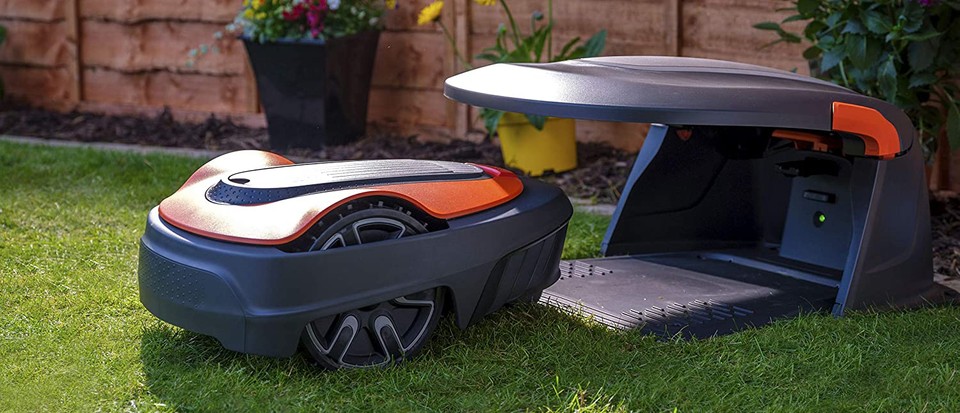
เมื่อโลกได้มีพัฒนาการ และเพิ่มเทคโนโลยีต่างๆ ที่มาช่วยอำนวยความสะดวกให้กับผู้คนอย่างมาก เช่น การตัดหญ้าในสมัยก่อนต้องใช้มือและกรรไกรในการตัด ต่อมาก็มีการผลิตเครื่องตัดหญ้าแบบสะพานให้คนตัด และก็เพิ่มเป็นแบบรถเข็นไม่ต้องสะพายให้หนักไหล่ จนกระทั่งพัฒนามาเป็นเครื่องตัดหญ้าหุ่นยนต์ เครื่องตัดหญ้าหุ่นยนต์ หรือที่ภาษาอังกฤษเรียกว่า “โรบอทลอนโมเวอร์ (Robot Lawn Mower)” หรือบางที่อาจจะเรียกมันว่า “โรโบติกส์ลอนโมเวอร์ (Robotic Lawn Mower)” หุ่นยนต์ที่จะเข้ามาช่วยให้การดูแลสวน ดูแลสนามหญ้าของคุณเป็นเรื่องง่ายนิดเดียว ให้หญ้าของคุณสั้นอยู่ตลอดเวลา เดินนุ่มสบายเท้า แถมยังปลอดภัยจากสัตว์ร้ายที่อาจซ่อนตัวอยู่ในหญ้าที่ยาวๆ ได้ […]
Recreational
สินค้าออร์แกนิคเพื่อลูกน้อย ซื้อได้จากบริการ Grocery delivery in Thailand
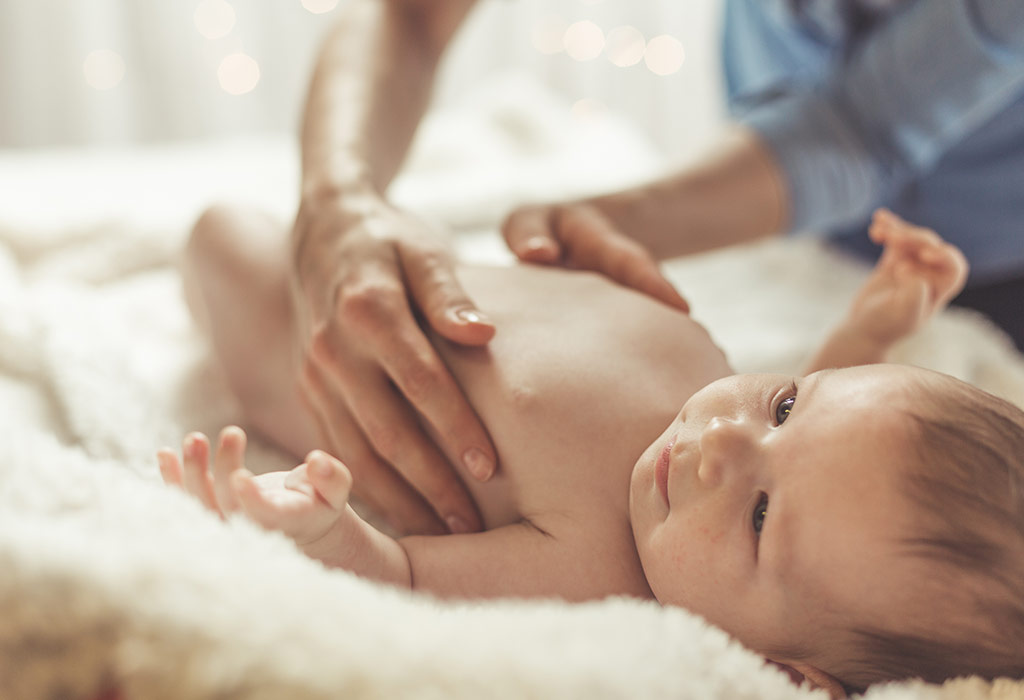
ผิวที่บอบบางอย่างผิวเด็กจำเป็นต้องได้รับการดูแลอย่างละเอียดอ่อน ผลิตภัณฑ์ที่ใช้จึงต้องมีความอ่อนโยน ไม่ก่อให้เกิดอาการระคายเคือง และมีส่วนผสมจากธรรมชาติ ผลิตภัณฑ์ออร์แกนิคจึงเป็นทางเลือกที่ดี เราขอแนะนำผลิตภัณฑ์ออร์แกนิคจากบริการ Grocery delivery in Thailand ที่เหมาะกับลูกน้อยของคุณ ให้เด็ก ๆ ได้เติบโตผ่านการดูแลที่อ่อนโยนได้ทุกวัน 1. โลชั่นกันยุงออร์แกนิค จากแบรนด์คินดี้ “คินดี้” แบรนด์ออร์แกนิคสัญชาติไทย เกิดจากความตั้งใจของคุณแม่คนหนึ่งที่อยากให้ลูก ๆ ของเธอได้ใช้ผลิตภัณฑ์ที่ปลอดภัยและอ่อนโยน ด้วยแนวคิดหลักของแบรนด์ที่ว่า […]
Uncategorized
ประกันสำหรับผู้เอาประกันทุกท่าน ประกันรถยนต์2+
หากวันนี้คุณสนใจที่จะเลือกซื้อรูปแบบประกันรถยนต์ 2+เข้ามาทำความรู้จักกับรูปแบบประกันรถยนต์เหล่านี้ได้ที่หน้าเว็บรู้ใจของเราเพื่อที่จะช่วยทำให้ผู้เอาประกันสามารถเลือกซื้อรูปแบบความคุ้มครองที่ต้องการได้ในราคาที่ถูกลงแน่นอนว่าเว็บรู้ใจเราเป็นเว็บที่เปิดให้บริการมานานจัดจำหน่ายเกี่ยวกับประกันรถยนต์หลากหลายประเภทโดยเฉพาะประกันรถยนต์ 2+เป็นรูปแบบประกันรถยนต์ที่ได้รับความนิยมและเป็นที่ชื่นชอบสำหรับผู้เอาประกันทุกท่านเป็นอย่างมากเนื่องจากให้ความคุ้มครองที่ค่อนข้างครอบคลุมแต่ราคาเบี้ยประกันนั้นถูกกว่ารูปแบบประกันรถยนต์อื่นๆถ้าผู้สนใจต้องการทราบรายละเอียดสำหรับการเลือกซื้อประกันรถยนต์ 2+ หรือรูปแบบประกันรถยนต์ใดๆก็ตามสามารถเข้ามาสอบถามกับทางทีมงานเว็บรู้ใจได้ตลอด 24 ชั่วโมงเราพร้อมที่จะให้คำแนะนำและให้ความช่วยเหลือในทุกๆขั้นตอนการเลือกซื้อประกันรถยนต์สำหรับทุกท่าน เลือกซื้อรูปแบบความคุ้มครองประกันรถยนต์ 2+ รู้หรือไม่ว่าประกันรถยนต์แต่ละประเภทนั้นให้ความคุ้มครองที่แตกต่างกันออกไปซึ่งรูปแบบประกันรถยนต์แต่ละประเภทก็จะเหมาะกับรูปแบบรถยนต์แต่ละคันที่ไม่เหมือนกันขึ้นอยู่กับความต้องการของผู้เอาประกันขึ้นอยู่กับความชื่นชอบของผู้เอาประกันเองว่าจะเลือกซื้อรูปแบบความคุ้มครองประกันรถยนต์ประเภทไหนที่จะเหมาะสมกับการใช้งานเหมาะสมกับความต้องการของผู้เอาประกันมากที่สุดและแน่นอนว่าวันนี้คุณสามารถเข้ามาเลือกซื้อรูปแบบประกันรถยนต์กับเว็บรู้ใจได้โดยเฉพาะประกันรถยนต์ 2+ ซึ่งเป็นหนึ่งในรูปแบบความคุ้มครองที่ครอบคลุมมากที่สุดลองลงมาจากประกันชั้น 1 แต่ราคาเบี้ยประกันของประกันรถยนต์ 2+นี้ถูกกว่าประกันชั้น 1 อยู่มากรับประกันได้เลยว่าคุณจะไม่ผิดหวังเมื่อเข้ามาเลือกซื้อรูปแบบความคุ้มครองประกันรถยนต์ 2+ให้กับตัวเอง เพราะคุณจะได้ความคุ้มครองในชีวิตและทรัพย์สินของผู้เอาประกันและบุคคลภายนอกในกรณีที่เกิดอุบัติเหตุบนท้องถนนทำให้ผู้เอาประกันไม่ต้องเป็นกังวลเลยหากเกิดอุบัติเหตุหรือเหตุการณ์ที่ทำให้รถยนต์ของคุณได้รับความเสียหายจากภัยพิบัติทางธรรมชาติรถยนต์ไฟไหม้รถยนต์ถูกขโมยก็ยังคงได้รับความช่วยเหลือและดูแลตามเงื่อนไขกรมธรรม์ประกันรถยนต์ 2 พลัสที่คุณได้เลือกซื้อไว้นี่จึงเป็นอีกหนึ่งตัวช่วยดีๆที่ผู้เอาประกันไม่ควรมองข้ามเลยทีเดียวหากคุณต้องการเลือกซื้อความคุ้มครองประกันรถยนต์ 2+หรือต้องการคำแนะนำเพิ่มเติมสำหรับการเลือกซื้อประกันรถยนต์ 2+สามารถเข้ามาสอบถามกับทางทีมงานเว็บรู้จ่ายได้ตลอดเวลาเราพร้อมที่จะให้ความช่วยเหลือและให้คำแนะนำในทุกๆขั้นตอนการเลือกซื้อประกันรถยนต์สำหรับผู้เอาประกันทุกท่าน พร้อมส่วนลดพิเศษอีกมากมาย
Gardening
การปลูกพืชผักสวนครัวดีอย่างไร
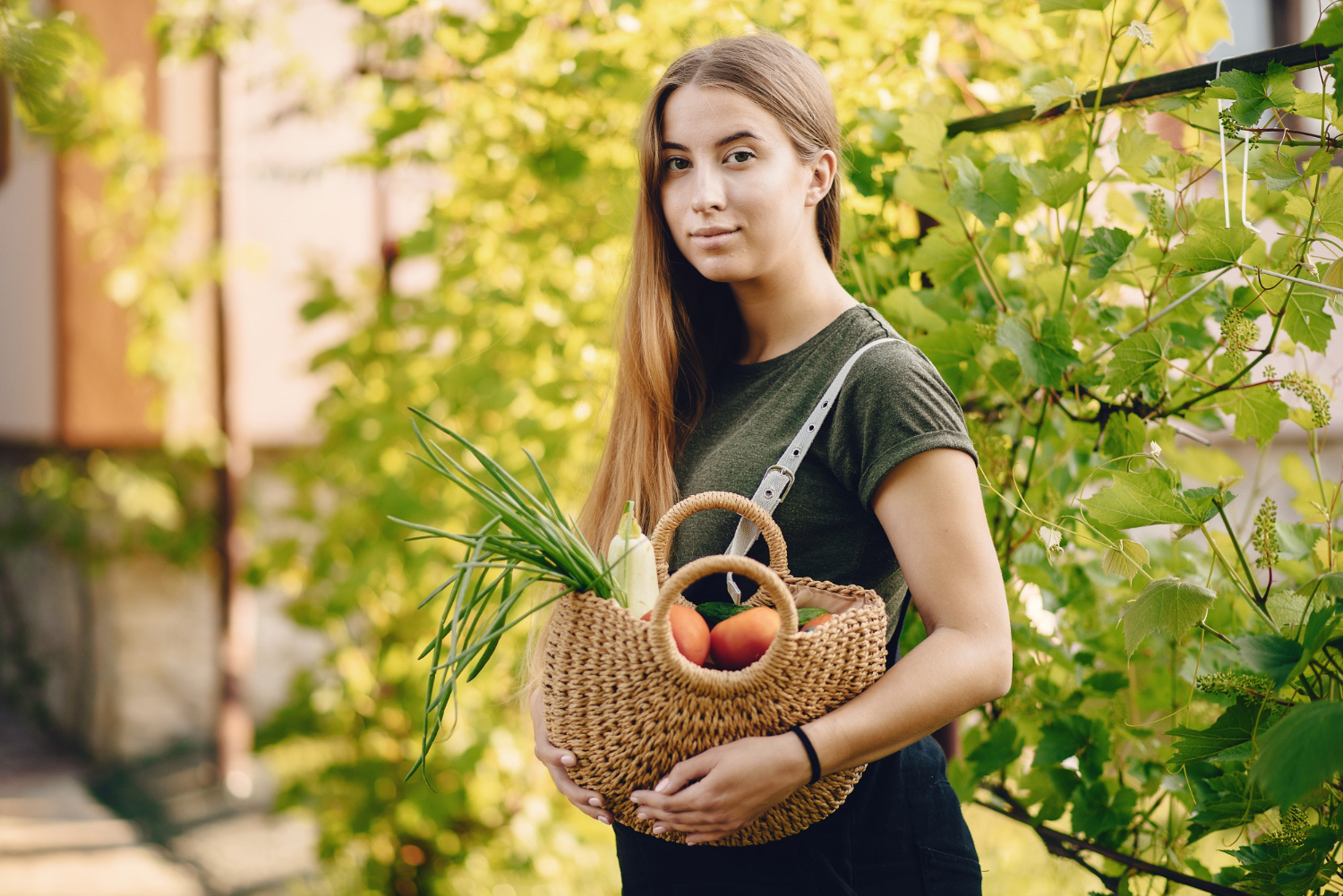
ในตอนนี้หากพูดถึงเรื่องของพืชผักสวนครัวนั้นก็จะยิ่งเป็นเรื่องหนึ่งที่ดีและสำคัญกับเราเองอย่างที่สุดเลยเพราะว่าในเรื่องของการปลูกพืชผักสวนครัวนั้นก็เพื่อที่จะช่วยทำให้หลายๆบ้านนั้นได้มีสิ่งแวดล้อมที่ดีเพราะว่าอย่างน้อยการปลูกพืชผักสวนครัวก็จะมีใบไม้อยู่แล้วและแน่นอนใบไม้ก็จะช่วยทำให้เรายิ่งมีออกซิเจนมากขึ้นด้วยและทำให้อากาศมีความสดใสอย่างมากและที่สำคัญก็ยังช่วยทำให้สิ่งแวดล้อมนั้นดียิ่งขึ้นด้วย เพราะทุกๆอย่างในเรื่องของสิ่งแวดล้อมนั้นจึงเป็นเรื่องที่หลายๆคนก็ใส่ใจกันอย่างยิ่งเพราะว่ายิ่งเรามีสิ่งแวดล้อมที่ดีนั้นก็จะช่วยทำให้หลายๆอย่างในตัวเรานั้นยิ่งดีมากขึ้นด้วย เรื่องของการปลูกพืชผักสวนครัวนั้นก็จะยิ่งทำให้หลายๆคนนั้นยิ่งดูมีความสนุกอย่างที่สุดเพราะนอกจากจะได้ผลผลิตมาทำอาหารแล้ว ลำต้นของพืชผักสวนครัวนั้นก็จะยิ่งช่วยทำให้เราได้ออกซิเจนที่มากขึ้นด้วย เรื่องของสิ่งแวดล้อมในตอนนี้นั้นต้องบอกเลยว่าเป็นเรื่องที่ดีอย่างมากเพราะอย่างน้อยก็จะได้ช่วยทำให้โลกของเรานั้นเย็นขึ้นแล้วก็มีความร่มรื่นมากขึ้นเพราะถ้าหากไม่มีสิ่งแวดล้อมที่ดีหรือมีต้นไม้นั้นก็อาจจะทำให้เราใช้ชีวิตได้ลำบากกว่านี้ด้วย เรื่องของการปลูกพืชผักสวนครัวหรือปลูกต้นไม้นั้นจึงจะดีอย่างมากเลย นอกจากนี้การปลูกสิ่งเหล่านี้ก็จะยิ่งช่วยทำให้เราได้ไม่เปลืองเงินที่จะซื้อพืชผักสวนครัวมาบริโภคด้วยเรื่องเหล่านี้จึงเป็นสิ่งที่ดีและน่าสำคัญกับเราเองอย่างที่สุดด้วยเพราะถ้าทุกๆอย่างนั้นเป็นเรื่องที่ดีแล้วก็จะทำให้หลายๆอย่างดีเสมอด้วย การปลูกพืชผักสวนครัวนอกจากจะช่วยทำให้เราได้ประหยัดค่าใช้จ่ายแล้วก็ยังสามารถที่จะช่วยทำให้เราสร้างรายได้อย่างมากเลย ดังนั้นเราจึงควรที่จะต้องใส่ใจและให้ความสำคัญอย่างมากที่สุดเพื่ออากาศที่ดีหรือสิ่งที่ดีๆนั้นก็จะยิ่งเกิดขึ้นกับเราเองอย่างยิ่งด้วย ทุกๆอย่างในเรื่องของพืชผักสวนครัวนั้นเราก็ควรที่จะต้องมองเห็นความสำคัญด้วยเพราะอย่างน้อยหากเรารู้จักที่จะให้ความสนใจในตรงนี้แล้วเชื่อว่าจะยิ่งเกิดเรื่องที่ดีๆขึ้นกับเราเองอย่างแน่นอน ดังนั้นเราจึงควรที่จะต้องอย่ามองข้ามกับเรื่องของพืชผักสวนครัวเลยเพราะอย่างน้อยก็จะช่วยทำให้สิ่งแวดล้อมต่างๆยิ่งดีมากขึ้นด้วย หากเราพอมีพื้นที่การปลูกพืชผักสวนครัวเพื่อลดปัญหาโลกร้อนหรือสิ่งแวดล้อมนั้นก็จะดีกับเราและทุกๆคนอย่างมากเลย
Environment
เหตุผลที่เราควรอนุรักษ์ธรรมชาติไว้
ธรรมชาติเป็นสิ่งที่เกิดขึ้นมาเพื่อให้มนุษย์ได้ใช้ประโยชน์ และถือว่าเป็นเสมือนผู้มีพระคุณต่อมนุษย์และสัตว์ทุกชนิดบนโลกนี้ด้วย เพราะคนและสัตว์ก็ได้ใช้ประโยชน์จากธรรมชาติด้วย ไม่ว่าจะเป็นการหาอาหาร การทำที่อยู่อาศัย และการสร้างคุณภาพชีวิตของคนและสัตว์ ดังนั้นเมื่อไหร่ที่ธรรมชาติหรือว่าป่าไม้ถูกทำลาย ก็เลยทำให้คนและสัตวได้รับผลกระทบไปด้วยกันทั้งหมด เพราะฉะนั้นวิธีการที่จะทำให้ธรรมชาติอยู่กับเราไปได้นานที่สุด ก็คือการช่วยกันอนุรักษ์เอาไว้ มาดูกันว่าเหตุผลอะไรที่เราควรอนุรักษ์ป่าไม้และธรรมชาติ ทำไมถึงควรอนุรักษ์ธรรมชาติ 1. เพื่อเป็นแหล่งอาหารของคนและสัตว์ ชีวิตของหลายๆ คนโดยพาะชาวบ้านที่อยู่อาศัยตามบริเวณใกล้แหล่งธรรมชาติ มักจะได้ใช้ประโยชน์จากธรรมชาติในการหาอาหารเลี้ยงปากเลี้ยงท้อง หรือบางคนก็อาจจะนำมาขายเป็นการสร้างรายได้ได้ด้วย ที่สำคัญสัตว์ยังได้ใช้เป็นอาหารอีกต่างหาก หากปล่อยปะละเลยเมื่อไหร่ ก็จะเกิดผลกระทบที่รุนแรงทันที 2. เพื่อทำให้โลกน่าอยู่ พื้นที่ไหนที่ไม่มีป่าไม้อยู่เลย เป็นพื้นที่ที่มีแต่ความแห้งแล้ง […]
Environment
ผลกระทบจากการบุกรุกทำลายป่าไม้
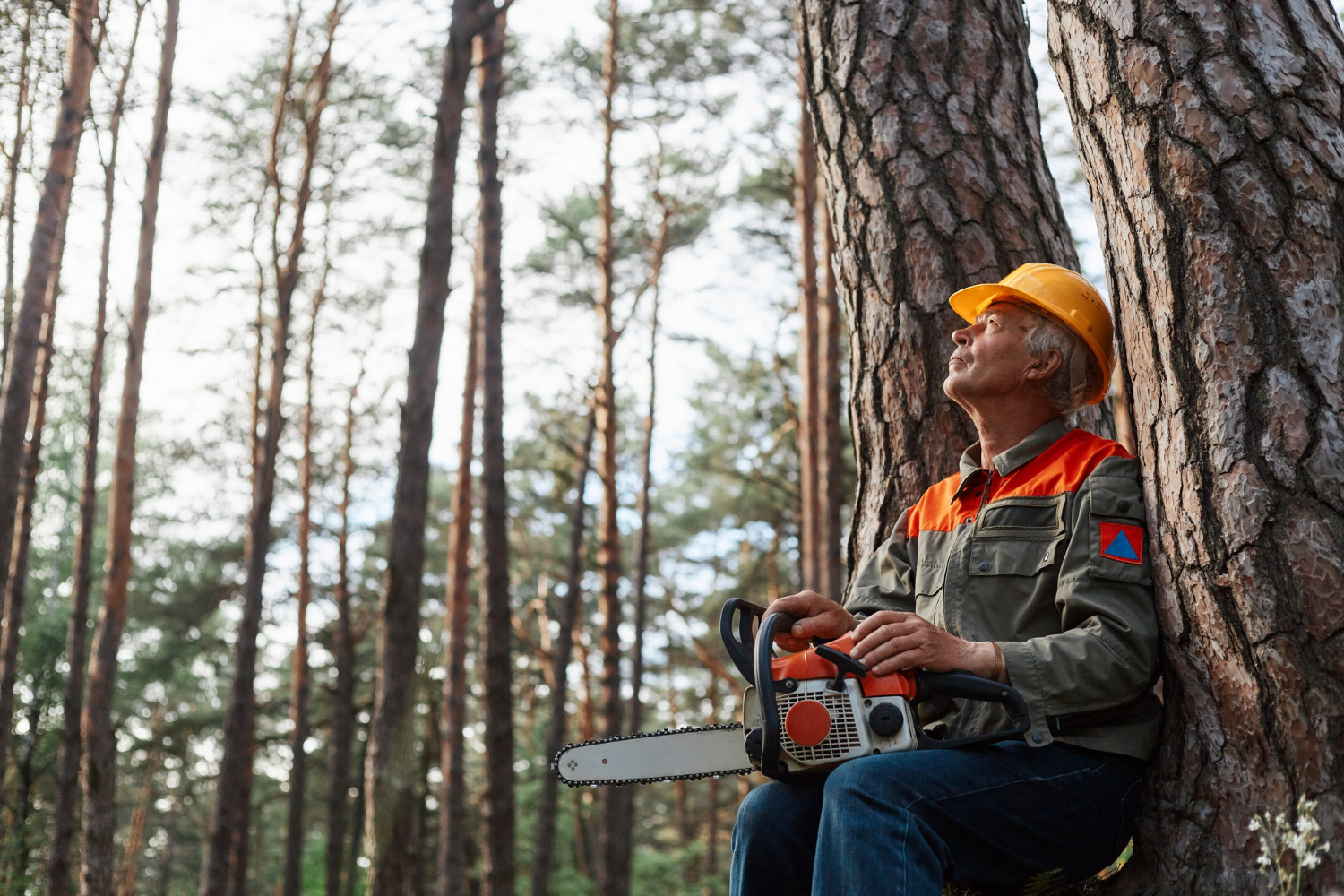
ป้าไม้ภูเขา ธรรมชาติทุกอย่าง ล้วนเป็นเหมือนกับปอดของโลกทั้งสิ้น ที่มีแต่จะทำให้โลกของเราน่าอยู่ ช่วยสร้างระบบนิเวศที่สมบูรณ์ แต่เมื่อไหร่ที่ป่าไม่ถูกทำลาย ก็ย่อมทำให้เกิดผลกระทบในวงกว้าง ตัวอย่างที่เราเห็นได้ชัดเจนที่สุดก็คือ ตอนที่เกิดไฟไหม้ป่าที่จังหวัดทางภาคเหนือ จะเห็นว่าธรรมชาติถูกทำลายไปมาก ไม่ว่าจะเป็นป่าหรือสัตว์ป่าก็ตาม และผลกระทบที่ตามมาก็คือมนุษย์นั่นอง แต่นั่นเป็นเพียงสาเหตุหนึ่งเท่านั้น แต่ยังมีอีกหลายสาเหตุที่ทำให้เกิดผลกระททบกับป่าไม้ สาเหตุที่ทำให้ป่าเกิดการทำลาย 1. เกิดจากการรุกที่ทำที่อยู่อาศัย ที่อยู่ในบางพื้นที่ ก็ไม่เหมาะที่จะขึ้นไปสร้างเป็นที่อยู่ของมนุษย์ อย่างเช่นในสถานที่ที่เป็นอุทยาน หรือว่าเป็นเขตอนุรักษ์สัตว์ป่า เพราะเขตเหล่านี้เป็นที่อยู่อาศัยของสัตว์ เมื่อคนเข้าไปรุกล้ำ ก็ย่อมจะทำให้สัตว์ไม่สามารถใช้ชีวิตอย่างปรกติสุขได้ ต้องหนีไปที่อื่นเรื่อยๆ […]